Cycling supports cardiovascular fitness, and research has not established that it inevitably causes erectile dysfunction (ED). But prolonged pressure from a bicycle saddle can cause genital numbness, which deserves attention when you notice changes in your erections.
If you ride regularly, you may be reluctant to stop an activity you enjoy. The more useful question is whether particular riding conditions are causing discomfort and what you can change without giving up exercise unnecessarily.
Choosing exercise for ED means considering both the benefits of staying active and any symptoms that develop on the bike. Saddle fit, riding position and the timing of numbness can help you decide what to do next.
Cycling and Erectile Dysfunction: What Matters Most?
- Cycling may suit men looking for exercise for ED: It provides aerobic activity, although saddle pressure can affect genital sensation.
- Numbness is a reason to stop riding: Review your saddle and riding position rather than continuing through the discomfort.
- Persistent erection difficulties need assessment: Cycling is only one possible factor, and other health conditions or medicines may contribute.
Can Cycling Cause Erectile Dysfunction? What Does Research Show?
A 2018 study in The Journal of Urology compared cyclists with swimmers and runners and did not find worse sexual function among the cyclists. A 2021 systematic review and meta-analysis found no statistically significant difference in its initial comparison, but reported higher odds of ED among cyclists after adjustment for age and existing health conditions. The authors noted limitations and variation between the included studies.
A 2026 conference abstract reported no statistically significant association between cycling and ED. As only an abstract is available, the methods and findings cannot be assessed as fully as a complete peer-reviewed paper. The result does not establish that cycling carries no risk for every rider.
The findings do not establish that cycling directly causes ED. When comparing types of exercise for ED, remember that these group studies cannot tell you what caused your own symptoms. Numbness during a ride deserves attention, while erection difficulties unrelated to cycling also warrant assessment.
Is Cycling Good Exercise for ED?
Cycling can be a useful form of exercise for ED when it is comfortable and appropriate for your health. Blood vessel health matters for erections, and a 2023 review of 11 randomised controlled trials found that aerobic exercise improved erectile-function scores in some men with ED.
That evidence supports aerobic exercise for ED generally, not a claim that cycling itself treats the condition. If cycling is an activity you enjoy, maintaining it might be easier than starting a different type of exercise. The difficulty arises when your saddle puts pressure on sensitive tissues. Fitness benefits do not cancel out that discomfort.
Why Does Cycling Cause Penile Numbness and Affect Erectile Function?
The perineum is the area between the genitals and the anus. Nerves and blood vessels involved in genital sensation and erections pass through or near it. Sitting on a saddle puts some of your weight against these tissues, with pressure varying according to saddle shape, fit and riding posture.
Prolonged compression can affect local blood flow or nerve sensation. Some riders notice tingling, reduced sensation or the feeling that their genitals have gone to sleep, particularly after spending a long time seated. Numbness that improves after dismounting does not, by itself, prove lasting nerve damage.
Notice when the symptoms begin. Do they appear on longer rides, on one particular bike or when you lean forwards? Such patterns can suggest saddle pressure is involved, although they do not establish a diagnosis. Erection problems that occur independently of riding may also be linked to blood pressure, diabetes, medicines or other health factors.
Stop riding if genital numbness develops. Remove the pressure rather than waiting for sensation to return while cycling. Get medical advice if numbness persists or repeatedly comes back.
How Do You Reduce Saddle Pressure and Genital Numbness While Cycling?
Reducing pressure begins with your bicycle setup. You do not necessarily need to abandon cycling as your preferred exercise for ED, but you should not accept recurring numbness as an unavoidable part of it.
Which Bicycle Saddle and Handlebar Adjustments Help Reduce Numbness?
Check whether your saddle supports your weight comfortably. Width, shape and position all affect where pressure falls, and a professional bike fitting can help if you are unsure what to adjust or discomfort continues.
No-nose saddles are worth considering. Research from the US National Institute for Occupational Safety and Health found they reduced measured perineal pressure compared with conventional designs. That does not mean they suit every rider or prevent ED.
Also review handlebar height. The 2018 study associated higher handlebars with fewer reports of genital numbness and saddle sores. An excessively low, forward-leaning position may therefore be worth changing, although the study does not prove an adjustment will resolve symptoms.
Indoor cycling still involves saddle contact. Recumbent bikes distribute weight differently and have been associated with lower measured perineal pressure than upright designs, but this is not proof that they prevent erectile difficulties.
During longer rides, change position and take breaks. Standing on the pedals temporarily lifts your weight from the saddle; the 2018 study also associated more time standing with fewer reports of numbness. This is a way to reduce continuous pressure, not a reason to keep cycling once sensation changes.
Still getting numbness after cycling? Recurring numbness, particularly alongside changes in erection quality, deserves medical assessment rather than further equipment adjustments alone. If erection difficulties persist after assessment, VaxAid offers a drug-free erectile support option worth discussing with your healthcare professional, provided a vacuum device is suitable. It does not treat saddle-related numbness.
Should You Stop Cycling If You Have Erectile Dysfunction?
Not automatically. ED without numbness or saddle discomfort is not evidence that cycling is responsible. A healthcare professional can consider other possible causes before you decide whether to change your usual activity.
If riding repeatedly causes genital numbness, reducing or pausing cycling while it is assessed makes more sense than continuing through the symptoms. There is no fixed recovery period after changing a saddle; use your symptoms and medical advice to guide a return to longer rides.
Is walking a better form of exercise for ED than cycling? It depends on what is comfortable and medically suitable. Walking and swimming offer cardiovascular exercise without the same bicycle saddle contact. If cycling causes numbness, these activities allow you to remain active while addressing it.
The best exercise for ED is one you can maintain without repeatedly provoking discomfort. Exercise supports wider health, but persistent ED may require assessment and treatment regardless of your fitness routine.
When Should You See a Doctor About Cycling-Related Numbness or ED?
Seek medical advice when genital numbness repeatedly follows cycling, worsens or continues after you dismount. Persistent erection difficulties also deserve assessment, whether or not they coincide with riding.
Sudden severe symptoms or numbness that does not resolve require prompt medical attention.
Tell the clinician when your symptoms begin, how long they last and whether saddle or handlebar changes have made any difference. Mention erection difficulties away from cycling too. Those details aid assessing potential pressure-related symptoms alongside other causes of ED.
What if Erectile Dysfunction Persists After Changing Your Cycling Routine?
Adjusting saddle pressure can make cycling more comfortable, but it does not necessarily restore reliable erections. Even when regular exercise for ED supports cardiovascular health, some men need separate erectile assistance.
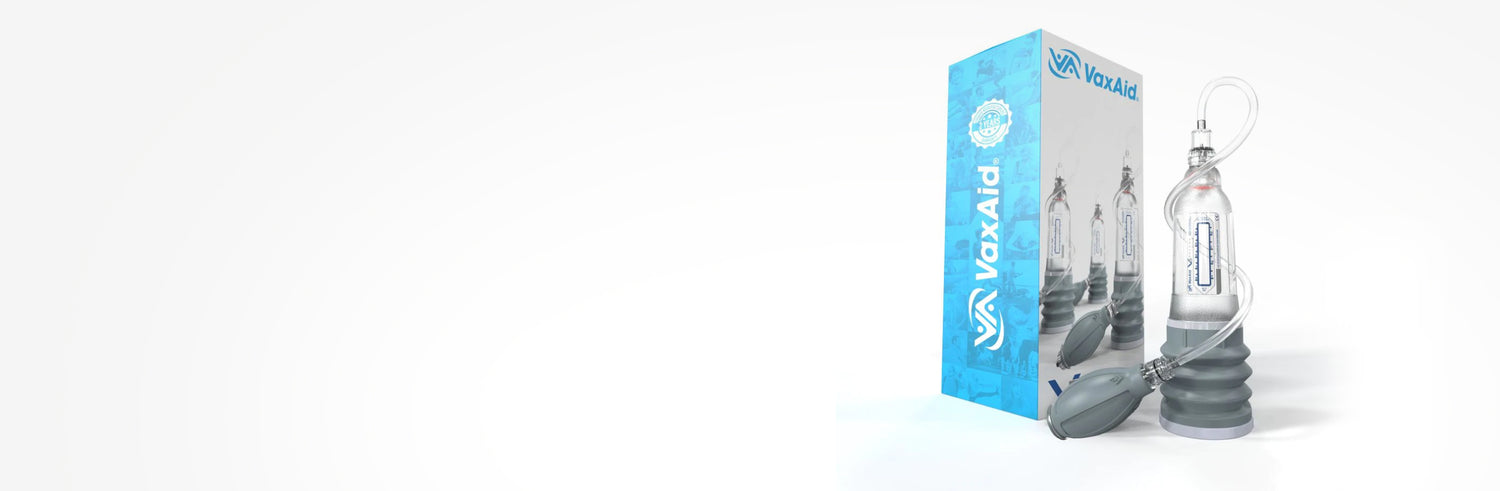
A vacuum erection device provides drug-free mechanical support for medically suitable men. Our VaxAid Deluxe has an air-based function that uses controlled suction to help create an erection. Compatible constriction rings help maintain firmness for sexual activity. The Deluxe also has a separate water-based method for penile exercises in the bath or shower.
These functions support different purposes; neither treats cycling-related nerve compression, saddle injuries or genital numbness.
Reduced penile pain sensation is an important safety restriction. The VaxAid Deluxe user guide states that the device must never be used when pain sensation in the penile area is reduced. It also prohibits use by people taking blood-thinning medicines, including aspirin, and those with specified conditions such as bleeding disorders, sickle cell disease or a history of prolonged erections.
Follow the manufacturer's pressure and duration instructions. Constriction rings must not remain in place for more than 15 minutes, and Hydropump use must not exceed 15 minutes in any 24-hour period. Use only the minimum vacuum pressure needed. If penile numbness is ongoing or unexplained, obtain medical advice before considering the device. Do not use it with reduced penile pain sensation or change prescribed medicines to accommodate it.
Once suitability is established, our How VaxAid Works page explains the operating methods.
Explore Drug-Free Erectile Support With VaxAid
Choosing exercise for ED and choosing a vacuum device address different needs. Cycling changes may relieve saddle pressure; our Deluxe offers mechanical erection assistance for men who can use it safely.
Watch our free 12-minute VaxAid product demonstration to learn about the air-based and water-based methods before deciding if the device is appropriate for you.