If your interest in sex has fallen, your erections feel less reliable, or you have noticed both changes, you may struggle to tell what changed. For men over 50, the clearest question is whether the change involves desire or erection function. Low libido affects sexual interest, while ED affects your ability to get or maintain an erection. That distinction helps you decide what to raise with a healthcare professional and which forms of support may be relevant.
What Is the Difference Between Low Libido and Erectile Dysfunction?
Low libido changes how much you want sex; erectile dysfunction affects what happens physically when you do. They can occur separately or together.
The differences are easier to see side by side.
|
What you notice |
What the pattern may suggest |
|
You want sex, but cannot get or maintain a reliable erection |
Erectile dysfunction |
|
Your sexual interest has fallen, although you may still have erections |
Low libido |
|
You have noticed changes in both desire and erection reliability |
Both low libido and ED may contribute |
These patterns do not identify the cause, but they can help you describe the problem more clearly. Notice whether it changes from one situation to another.
Can You Have Erectile Dysfunction with a Normal Sex Drive?
Yes. You can still want sexual intimacy and experience ED. You may feel attracted to your partner and want to be intimate, yet find that the erection develops slowly or fades too soon.
The difficulty may appear mainly in partnered situations rather than every time.
ED can develop for several reasons. Circulation and nerve function may affect erections. Hormone changes, medication and anxiety can also reduce reliability. Describing when and where the problem occurs gives a healthcare professional more useful information.
Can Low Libido Cause Erection Problems?
Lower sexual interest may mean less stimulation or arousal, which can make an erection less likely. If erections remain unreliable when interest is present, discuss the pattern with a healthcare professional.
Can Erectile Dysfunction Lower Your Sex Drive?
Yes. Repeated erection difficulty may make intimacy feel pressured or unpredictable and reduce interest over time. Tell a healthcare professional which change appeared first.
Does Avoiding Sex Always Mean Low Libido?
People often mistake less sexual activity for less desire. You may initiate sexual intimacy less often because you expect difficulty getting or keeping an erection. That avoidance can resemble low libido to you or your partner.
One good or difficult experience cannot show whether the main problem involves desire or erection function. Look for patterns across spontaneous erections and different sexual situations instead of relying on a single occasion.
Why Can Low Libido and Erectile Dysfunction Happen Together After 50?
Medication, long-term health conditions, low mood, poor sleep and hormone changes can affect more than one aspect of sexual function. Repeated difficulty may also reduce interest by increasing frustration or anxiety. Tell the clinician which change appeared first and which affects you most now.
Sexual desire may change gradually with age, but do not dismiss a sudden or troubling loss of interest as ageing. Persistent or unusual erection problems deserve the same attention.
What Should You Tell a Healthcare Professional About Low Libido or ED?
Describe the change in plain terms. For example: “I still want to be intimate, but I cannot maintain an erection”, or “I can get an erection, but I have little interest in sexual activity”. Before an appointment, note:
· When the change began and how quickly it developed
· Any change in how often you think about or initiate sexual intimacy
· Where erection difficulties occur, including whether they are mainly partnered
· Difficulty getting an erection, maintaining it or both
· Recent changes to medication, mood, energy, sleep, health or relationships
A GP or sexual health clinician may ask about your medical history, medication, mood and erection pattern. They may check your blood pressure, perform a physical examination or arrange blood tests. Tell them about pain, penile changes, marked fatigue and any change in morning or spontaneous erections. For practical questions about our devices, the VaxAid FAQs explain how they are used, but they do not replace clinical advice.
How Can VaxAid Support Erection Function When Desire Is Still Present?
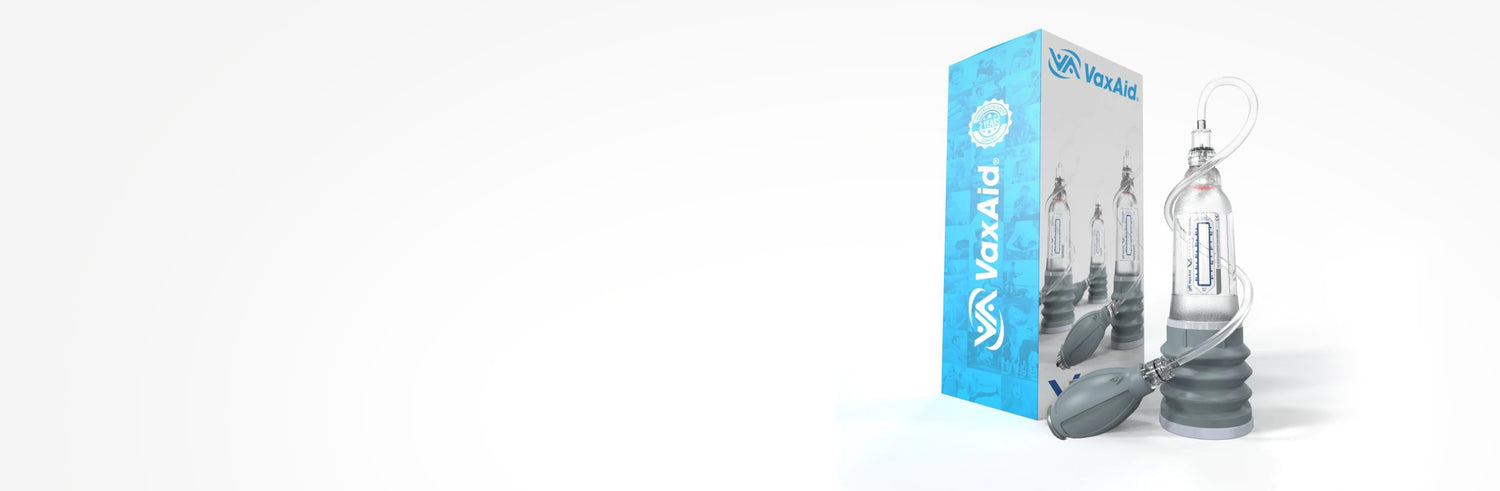
When sexual desire remains present, but erections have become less reliable, VaxAid may offer a practical, drug-free route to explore. Our hydro-based vacuum therapy devices create negative pressure that draws blood into the penis to support an erection. They are designed for private use in the bath or shower, which may suit men who value discretion and want a non-invasive option at home.
VaxAid supports the physical erection process rather than sexual desire. If low libido is the main change, or if both desire and erection function have changed, speak to a healthcare professional. Our How VaxAid Works page explains the method and what using a hydro-based vacuum device involves.
What Should You Do if You Have Low Libido, ED or Both?
If erections are the main concern, note how often the problem happens and whether it changes by situation. That gives a healthcare professional a clearer basis for discussing assessment and support. The VaxAid Quiz can help you consider whether a home-use route may fit before you compare products.
A fall in sexual interest calls for a conversation about mood, medication, energy and general health. Mention any relationship changes or other symptoms that began around the same time.
If both have changed, take the full timeline to the appointment instead of trying to choose the right label yourself. That helps the clinician assess what may be affecting desire, erection function or both.
When Should You See a Healthcare Professional About Low Libido or ED?
Stress, tiredness and alcohol can contribute to occasional erection problems. Stress and other personal or health factors can also affect sexual desire. Arrange an assessment if erection problems keep happening, low desire persists, either change appears without a clear reason, or your wellbeing or relationship starts to suffer.
Tell a healthcare professional if the symptoms began after a medication change or appeared alongside low mood, marked fatigue or other new symptoms. Persistent ED can occur alongside underlying health conditions and deserves proper assessment. A clinician may need to assess low libido separately.
Learn how drug-free erectile support works. If reduced desire is the main change, speak to a healthcare professional.