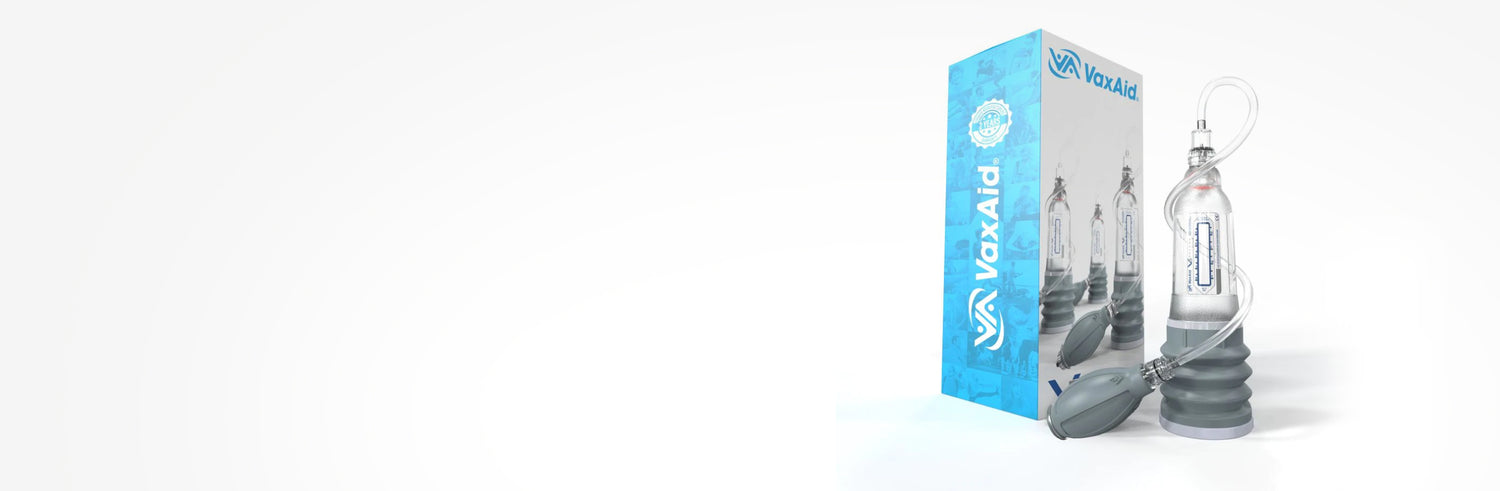
Nerve-sparing surgery improves the chances of natural erections returning, but it does not guarantee recovery. Vacuum therapy has a different role. It uses negative pressure to help produce an erection without relying on the nerves to trigger one.
Persistent erection difficulties are especially confusing when you've been told your nerves were preserved. When one or both nerve bundles couldn't be spared, the concern is often whether other treatment options are still available.
After radical prostatectomy, knowing how much nerve preservation was possible helps set realistic expectations for recovery. It also provides a starting point for discussing whether vacuum therapy belongs in your rehabilitation plan.
Why Can Erections Still Be Difficult After Nerve-Sparing Prostatectomy?
Even preserved nerves don't always work normally straight after surgery. Handling or stretching the surrounding tissue during the operation sometimes disrupts the signals needed for an erection.
The nerves involved in erections run close to the prostate. Nerve-sparing describes what the surgeon was able to leave intact, not whether those nerves have already returned to normal function.
If erections remain difficult, it doesn't necessarily mean the operation was unsuccessful. Your surgeon should be able to explain exactly what was preserved and how that affects your recovery expectations.
Does Preserving One or Both Nerve Bundles Change Erectile Recovery?
Yes. In general, preserving both nerve bundles offers better prospects for recovering spontaneous erections than preserving one. When neither was spared, those prospects are considerably lower.
Bilateral nerve-sparing means the surgeon preserved the nerve bundles on both sides of the prostate. Unilateral nerve-sparing means one bundle was preserved, while non-nerve-sparing surgery means neither could be spared.
Your age, erectile function before surgery and other health conditions also influence recovery. The operation alone cannot predict exactly what will happen afterwards.
The pattern and extent of recovery vary between individuals, and natural erections do not return for everyone. Some men continue to need erectile support despite having undergone nerve-sparing surgery. Your surgeon or urology team can discuss expectations based on what was possible during your operation and how your recovery progresses.
The surgeon's first priority is to remove the cancer safely. When cancer is close to a nerve bundle, preserving it isn't always possible. That reduces the prospects for natural erections, but it doesn't rule out treatments that provide mechanical erectile assistance.
VaxAid's Post-Surgery Overview provides further information about erectile support after prostate treatment and the options available during recovery.
Is a Vacuum Pump Still Useful After Nerve-Sparing Prostatectomy?
Yes. A vacuum pump after prostatectomy offers a way to produce an assisted erection when natural erectile responses remain unreliable. It creates negative pressure around the penis, drawing blood into it without depending on the nerve signals that trigger a spontaneous erection.
After nerve-sparing surgery, a pump offers mechanical support while natural function remains uncertain. Following non-nerve-sparing surgery, the same method remains an option despite the lower prospects for spontaneous erections.
ED tablets such as sildenafil work by enhancing the body's natural erectile response. When nerve signalling has been severely disrupted, these medicines are often less effective. Vacuum devices operate mechanically instead, which makes them worth discussing with your clinician when considering postoperative erectile support.
The intended use also affects the method. A device used to assist erections during sexual activity isn't always operated in the same way as one recommended for penile rehabilitation. Your surgical team should explain what treatment is intended to achieve and which technique is appropriate.
What Does VaxAid Offer for Home Vacuum Therapy After Prostatectomy?
The VaxAid Deluxe is a hydro-based vacuum device designed for discreet, non-drug erectile support at home. It is one option to consider after prostatectomy when your surgical team has recommended vacuum therapy.
The Deluxe works with water in the bath or shower, or in air with its handball attachment. VaxAid's instructions describe water-based use primarily for penile exercise and air-based use for assisted erections during sexual activity. Having both options offers flexibility, although the appropriate method should follow your recommended treatment plan.
Both methods require some preparation and correct technique. Becoming familiar with the equipment makes it easier to judge whether either approach suits your routine, especially when regular use is recommended.
The How VaxAid Works page explains the equipment's setup and operation, giving you a closer look at what home use involves.
Can Vacuum Therapy Restore Natural Erections After Prostate Surgery?
Current evidence does not establish that vacuum therapy reliably restores natural erections after prostate surgery. Its established role is mechanical assistance, helping to produce an erection when unassisted function remains limited.
Rehabilitation plans vary and sometimes include medicines, vacuum devices or other treatments. The European Association of Urology notes that there is insufficient evidence to recommend any particular rehabilitation regimen as a reliable way of restoring erections without assistance.
This doesn't diminish the value of mechanical support. An erection produced with a pump provides an assisted result, even though it doesn't demonstrate that the nerves have recovered. When reviewing treatment, the relevant question is whether it is helping with the goal you and your clinician agreed on.
When Can You Start Using a Vacuum Pump After Prostatectomy?
There is no start date that is appropriate for everyone. Your surgical team should confirm when it is safe to begin vacuum therapy, taking account of healing, catheter removal, bleeding, current medicines and the purpose of treatment. Do not begin a postoperative routine based on a generic timetable.
How you plan to use the pump also affects the instructions. For sexual activity, a constriction ring is sometimes used to maintain an erection. Some rehabilitation programmes involve using the device without one. Follow the method recommended for your circumstances.
Before starting, make sure you understand the suggested routine and when your progress should be reviewed. VaxAid's Deluxe instructions limit constriction-ring use to 15 minutes and Hydropump use to 15 minutes in any 24-hour period.
The manufacturer also instructs people with bleeding disorders or those taking blood-thinning medication, including aspirin, not to use the Deluxe. Speak to your healthcare professional if you're uncertain about suitability, and do not stop or change prescribed medication to use a device.
What Should You Consider Before Choosing a Vacuum Pump After Prostate Surgery?
Once your surgical team has confirmed that vacuum therapy is appropriate, consider how you would use the equipment at home. The amount of preparation involved, where you plan to use it and whether you prefer water-based or air-based operation all influence how well a device fits your routine.
A product description only tells you so much about using the equipment in practice. VaxAid's free demonstration shows how its systems are prepared and operated, making it easier to understand the differences before deciding which option to explore.
Sign up for the free VaxAid product demo to see the devices in use and compare their operating methods.