Many men improve their fitness, lose weight, eat better, and still find that erection quality remains inconsistent. That can feel frustrating, especially when you feel healthier, stronger, and more in control of your body than before.
Those improvements still matter. Better fitness can support circulation, energy levels, blood pressure, weight management, confidence, and overall wellbeing. All of these can contribute to erectile health.
The problem is that erectile dysfunction does not always come from poor fitness alone. Medication, stress, diabetes, high blood pressure, hormone changes, age, prostate treatment, nerve function, and psychological pressure can all affect erections. This means fitness can strengthen the foundation for better sexual health without fully resolving erection difficulties for every man.
For some men, the next step involves looking at targeted support as well as wider lifestyle changes. That might include medical advice, medication review, prescription treatments, vacuum erection devices, or a combination of approaches.
Does Better Fitness Help Erectile Function?
Yes, better fitness can support erectile function. Regular exercise can help improve cardiovascular health, support weight management, improve mood, increase energy, and contribute to better overall wellbeing.
Because erections rely partly on healthy blood flow, many men notice benefits when they become more active. Exercise may also help with confidence, stamina, stress management, and general health, which can all affect sexual wellbeing.
But fitness does not control every part of the erection process. A man can have good stamina, a healthy diet, and improved strength while still experiencing erection inconsistency. That does not mean his lifestyle changes have failed. It means ED may involve more than general conditioning.
This is where expectations matter. Better fitness can support the body’s wider systems, but it may not always improve penile circulation enough to resolve ED on its own.
Why Can ED Continue After Improving Fitness?
ED can continue after fitness improves because erections depend on several systems working together. Blood flow matters, but so do nerve signals, hormone levels, mental wellbeing, medication effects, and wider health conditions.
For example, diabetes can affect nerves and blood vessels. High blood pressure can influence circulation. Some prescription medications can contribute to erection difficulties. Stress and anxiety can interrupt arousal and make erection quality feel less predictable.
Some men also experience ED after prostate surgery or prostate cancer treatment. In these cases, general fitness may still support recovery and overall wellbeing, but it may not fully address the specific factors affecting erections.
This is why a man can feel fitter and still struggle sexually. Fitness helps the wider picture. ED may still need a more targeted assessment.
What Signs Suggest Fitness Is Not the Only Factor?
If you have improved your fitness but ED continues, it helps to look for signs that something else may be involved.
Fitness may not be the only factor if:
- You can exercise well but still struggle to get or maintain an erection
- Erection quality changes depending on stress, tiredness, or situation
- Symptoms started after a medication change
- ED appeared after prostate surgery or medical treatment
- You have diabetes, high blood pressure, or heart health concerns
- Morning erections have reduced or changed
- Symptoms continue despite several months of healthier habits
These signs do not mean exercise has failed. They suggest that your ED may involve another physical, psychological, or medical factor.
At that point, it makes sense to look beyond fitness alone. A healthcare professional can help you understand the possible causes and discuss appropriate treatment options.
What Is the Difference Between Whole-Body Circulation and Erection Support?
Whole-body circulation describes how effectively blood moves around the body. Exercise supports this by strengthening the cardiovascular system and improving general health.
Erections involve a more specific response. Blood flow into the penis needs to work alongside nerve signals, arousal, hormone levels, and mental relaxation. If one part of that response does not work as expected, erection quality can remain inconsistent even when general fitness improves.
This distinction matters because men often assume that better gym performance should automatically improve erection quality. Sometimes it does. Sometimes it does not.
Improving overall health remains worthwhile, but it may not address every cause of ED. If symptoms continue, targeted support may become worth discussing.
Where Can A Vacuum Erection Device Fit Without Replacing Fitness?
A vacuum erection device can form part of a wider ED support plan when lifestyle changes alone do not resolve erection difficulties. According to NHS guidance, vacuum pumps can help when ED medication does not suit a patient or does not provide sufficient results.
A vacuum device does not replace exercise, weight management, or medical advice. It works differently by using vacuum pressure to encourage blood flow into the penis.
For some men, this distinction matters. Their general fitness may improve, but erection consistency may still feel difficult. A local support option can sit alongside wider health habits rather than competing with them.
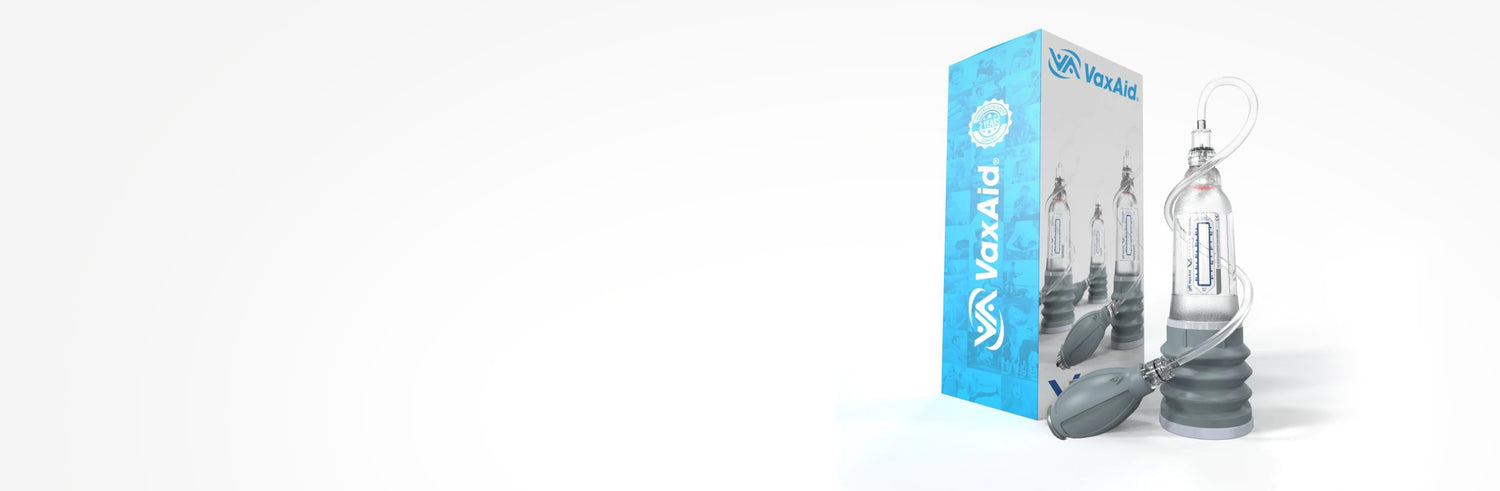
VaxAid offers water-based vacuum support systems for use at home in a bath or shower environment. Some men may find this type of setup easier to fit into private daily life, particularly if they want a non-drug support option that feels discreet.
As with any ED device, users should follow product guidance and seek medical advice if they have concerns about suitability, pressure, session length, or safe use.
Why Might Some Men Prefer Water-Based Vacuum Support?
Some men prefer water-based vacuum support because it can fit into a familiar bath or shower routine. Privacy often matters when dealing with ED, and a bathroom-based option may feel easier to manage than setting up a device elsewhere in the home.
Warm water may also make the process feel more comfortable for some users. This does not mean water-based support suits everyone, but it can make the experience feel less clinical and easier to repeat.
Daily usability matters. If a support method feels awkward, uncomfortable, or difficult to fit into normal life, many men struggle to keep using it. A device that fits into an existing routine may feel more manageable.
The best option still depends on personal comfort, health history, manual dexterity, and medical guidance.
What Should Men Avoid When Trying to Improve Penile Circulation?
When trying to improve penile circulation, men should avoid unrealistic expectations and unsafe shortcuts.
Exercise can help, but overtraining may increase fatigue and stress. More exercise does not always mean better erectile function. Recovery, sleep, stress management, and medical factors all matter too.
Men should also avoid unverified online techniques that promise fast or permanent results. Aggressive stretching, excessive pressure, and products that guarantee outcomes can create unnecessary risk.
If you use a vacuum erection device, follow the manufacturer’s instructions on pressure, session length, and safe operation. If your device uses a tension ring or recommended time limit, follow that guidance carefully and never leave the ring in place longer than advised.
You should also avoid ignoring new, worsening, or severe symptoms. ED can sometimes indicate an underlying health issue that needs medical attention.
When Should You Speak to a Healthcare Professional?
You should speak with a healthcare professional if erection difficulties continue despite positive lifestyle changes. This is especially important if symptoms are new, sudden, severe, painful, or linked to other health concerns.
You may also need advice if you:
- Take medication that could affect erections
- Have diabetes or high blood pressure
- Experience heart symptoms
- Have recently had prostate surgery or prostate cancer treatment
- Notice a major change in morning erections
- Feel unsure whether a vacuum device is suitable
- Experience pain, numbness, bruising, or coldness during device use
Medical advice can help you understand the cause of ED rather than guessing. It can also help you choose support options that fit your health and circumstances.
What Questions Should You Ask About ED Support?
A focused conversation with a healthcare professional can help you decide what to do next.
Useful questions include:
- Could any of my medications affect erections?
- Could blood pressure, diabetes, or another condition contribute to my symptoms?
- Would ED tablets suit my health profile?
- Would a vacuum erection device suit my situation?
- Are there lifestyle changes that may help alongside treatment?
- What is the safest way to use a vacuum device?
- How often should I use a device based on my circumstances?
- Do I need extra precautions after surgery or medical treatment?
These questions help you move from frustration to a more informed plan.
How Should You Take the Next Step?
Improving fitness remains one of the most valuable steps you can take for your overall health. It may also support erectile function, confidence, energy, and wellbeing.
But if erection difficulties continue, it may be time to look beyond fitness alone. ED can involve several factors, and the most useful approach often combines lifestyle changes with medical advice and appropriate support.
For men interested in non-drug support, VaxAid offers water-based vacuum systems designed for discreet home use. Explore the VaxAid range, product guidance, and demonstration resources to see how a water-based vacuum device could fit into your wider erectile health plan.