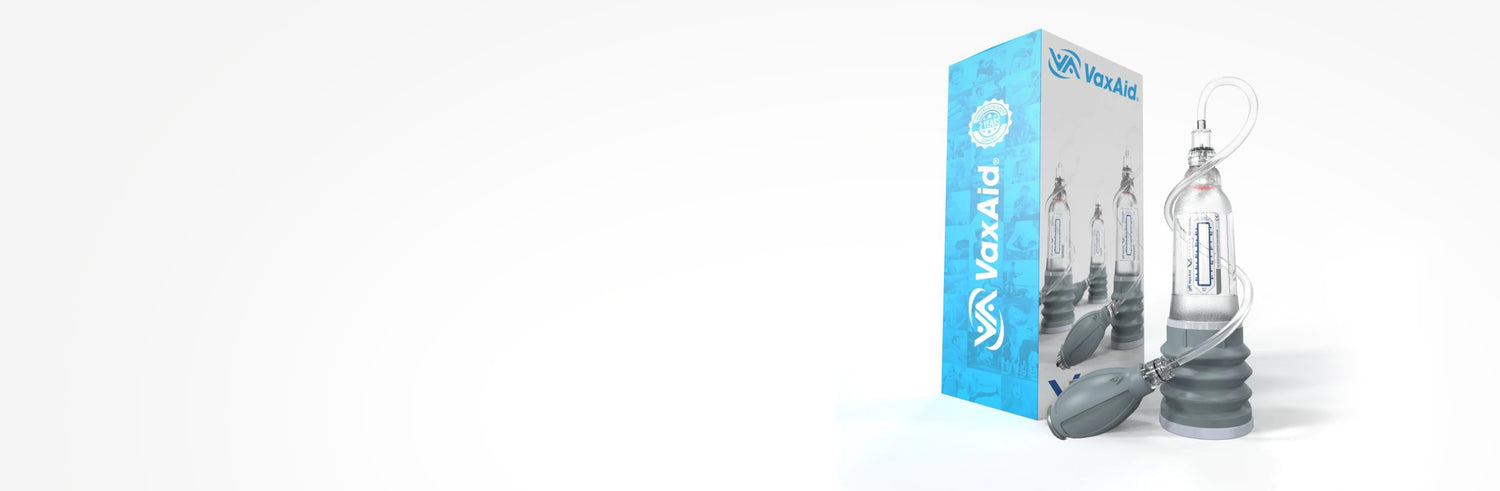
An ED device makes more sense inside a rehabilitation programme than as a quick answer on its own. Erectile rehabilitation usually aims to support blood flow, tissue health, and function over time.
This matters for men recovering from prostate treatment, men noticing age-related erectile changes, and anyone trying to protect function over the longer term. The focus moves from one-off results to regular support that fits into a wider plan.
ED devices can play a role in that plan. With consistent use and realistic expectations, they may support a broader approach that also includes medical advice, recovery time, and wider attention to health. Men who want a clearer view of how vacuum therapy works can start there.
What is an erectile rehabilitation programme?
An erectile rehabilitation programme supports penile health over time through a structured routine. The programme usually encourages regular blood flow, helps maintain tissue health, and may limit the physical changes that can develop when erections become less frequent.
That puts rehabilitation in a different category from treatment focused only on performance in the moment. It supports the tissue while recovery continues and while men manage longer-term changes more carefully.
For many men, the programme works best inside a wider routine. That may include advice from a doctor, a home-use device, attention to general vascular health, and realistic expectations about how slowly some changes may happen.
What does the programme try to protect over time?
Over time, the programme is trying to protect tissue health, blood flow, and function. When erections become less regular, the tissue may receive less oxygen-rich blood. Over longer periods, that can reduce elasticity and affect overall tissue condition.
This helps explain why rehabilitation programmes focus on regular support rather than isolated action. Men may not notice every physical change straight away, but reduced natural erections, longer periods of inactivity, and slower recovery after prostate treatment can all affect the tissue gradually.
Thinking about the programme this way gives men a clearer reason to stay consistent. The aim is steady tissue support through a regular and deliberate routine.
Where do ED devices fit in the programme?
ED devices fit into an erectile rehabilitation programme as one practical way to encourage blood flow at home. In a structured plan, the device gives men one tool they can use to help keep the tissue active and maintain a routine over time.
In a rehabilitation setting, the value comes from how the device fits into a repeated plan rather than from one isolated use. A home-use device can also give men a practical step they can take while the wider process continues, whether they are recovering after prostate treatment or managing age-related erectile change.
What else can shape rehabilitation besides a device?
A rehabilitation programme may include more than an ED device. A doctor may advise on timing, especially after surgery. Some men may also need to address wider health factors such as blood pressure, diabetes, medication review, or lifestyle changes.
Pelvic floor work may also help if a doctor recommends it. In other cases, the main need may be a realistic routine, and a better understanding of what progress should look like. Men should not treat the device as though it replaces every other part of recovery.
This broader view keeps the programme tied to the man’s wider health. The device may play an important part, but it usually works best inside a plan that reflects recovery stage, expectations, and any other support already in place. For some men, that wider plan may also include a drug-free treatment option.
What makes water-based therapy different from air pumps?
Water-based therapy may feel different from standard air pumps because the water changes how pressure feels during use. Some men find that this feels gentler and easier to control, especially while they are still getting used to the routine.
That difference matters mainly because comfort can affect consistency. Men are less likely to keep using a method that feels awkward or harsh. A device can make sense in theory and still be difficult to keep up with in practice.
VaxAid is one water-based option designed for use in water. For some men, that may make the process easier to approach and easier to repeat as part of a home routine. Water-based therapy may help some men keep up their part of the programme more consistently.
How can men approach this safely after prostate treatment?
Anyone recovering from prostate treatment should approach rehabilitation with medical guidance and realistic expectations. Surgery can affect the nerves and blood vessels involved in natural erections, and recovery may take months rather than days. Readers who want more detail can also read about post-surgery recovery support.
Timing matters. A device-based routine should only begin when a doctor says it is appropriate. Doctors may tell patients to wait before they start, and recovery will differ depending on the type of treatment and wider health.
Once a doctor clears the routine, a vacuum device may become part of the rehabilitation plan. Men usually use it to support blood flow and tissue health while recovery continues. They should not measure success by quick results.
What can men realistically expect from ED devices?
Readers should expect ED devices to support a rehabilitation plan, not solve every aspect of erectile dysfunction on their own. Some may notice that the routine feels easier, that the device feels more familiar, or that they feel less uncertain about what they are doing.
Over time, they may also notice better local blood flow or find the routine more manageable. When larger changes happen, they usually depend on time, consistency, and the wider cause of the erection problem.
Realistic expectations matter here. It is easy to feel discouraged when a process takes longer than expected. ED devices can be helpful, but they work best when people see them as part of a gradual programme.
How should men judge progress over time?
Progress should be judged over time, not by one session or one difficult week. In a rehabilitation programme, the first signs of progress may show up in the routine itself. The device may feel easier to use. Sessions may feel less awkward. The plan may also start to feel more stable, rather than like a fresh decision each time.
That kind of progress still matters. Many people build a workable routine before they notice larger physical changes. If the method never starts to feel manageable, it becomes much harder to judge whether the programme is helping at all.
A steady, practical approach usually works best. Follow the product guidance and listen to your body. Review progress over a realistic timescale. If needed, speak to your doctor about how the rehabilitation plan is going and whether anything should change.
Frequently asked questions about vacuum therapy
How often should you practise with ED devices?
How often you practise with ED devices depends on the product instructions and any advice your doctor gives you. Regular, moderate use is usually more practical than infrequent or overly aggressive use.
Can an ED device replace the rest of a rehabilitation programme?
No. An ED device can support a rehabilitation programme, but it does not replace medical advice, recovery time, or the wider factors that may affect erectile function.
Where can you find reliable information and support?
You can find reliable information by speaking to your doctor and reviewing clear educational guidance from trusted manufacturers. You can also read the VaxAid FAQs for practical product guidance. Good information helps men start more safely and judge progress more realistically. Men who want to look more closely at the available ED devices can compare the broader options before choosing a VaxAid system. If you want to compare options next, you can explore the VaxAid range.